Turn what you know into a course people actually buy.
Pick a topic, validate demand, build it into a compact paid knowledge product with AI, package it, and sell it using faceless content.
Instant access · one payment · no subscription
People already pay for the shortcut.
Courses, vaults, guides, templates, playbooks — the format changes. The transaction doesn’t. Someone knows something useful. Someone else would rather pay than figure it out from scratch.
AssetVault shows you how to package that useful part into something people can actually buy.
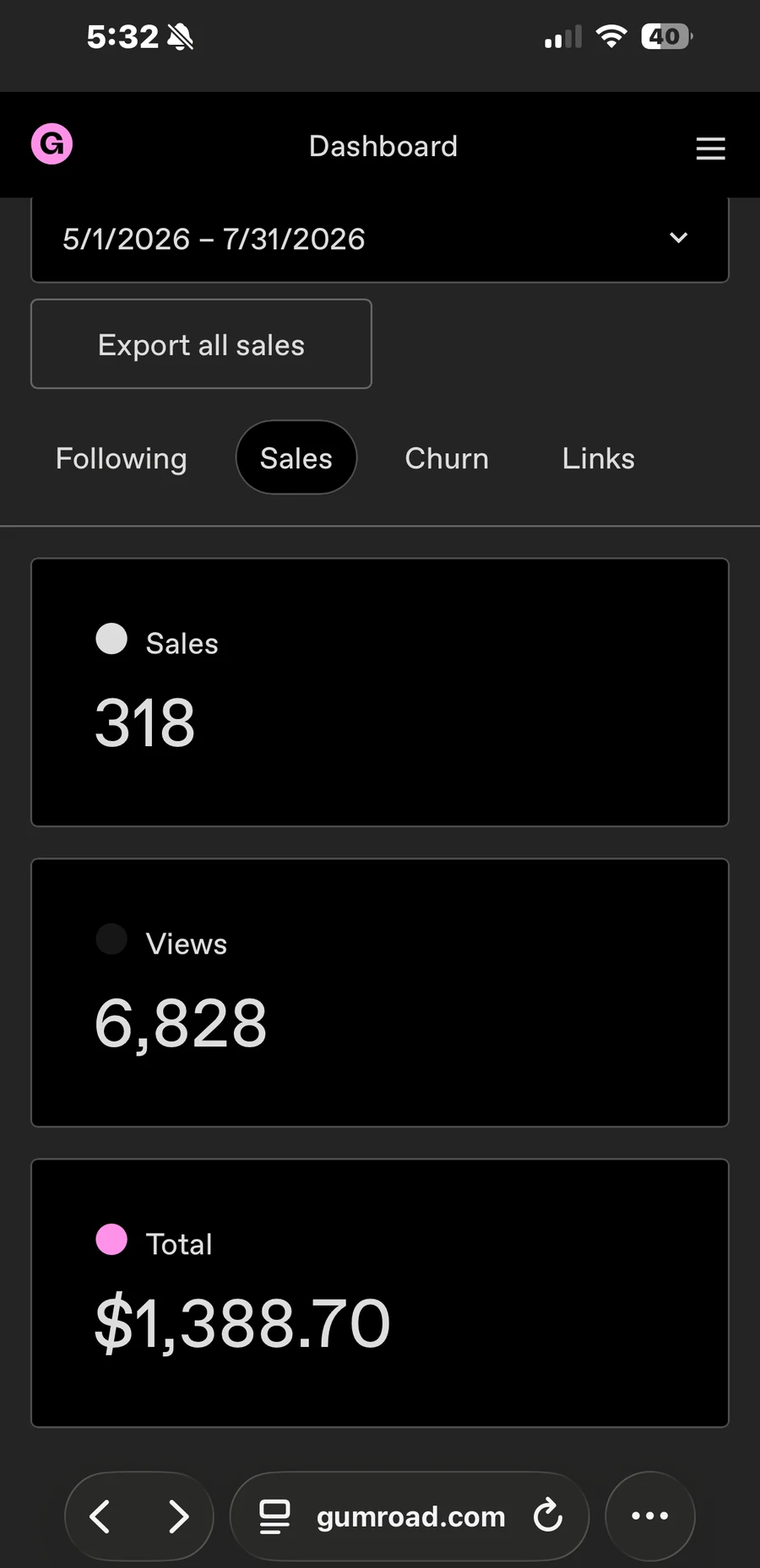
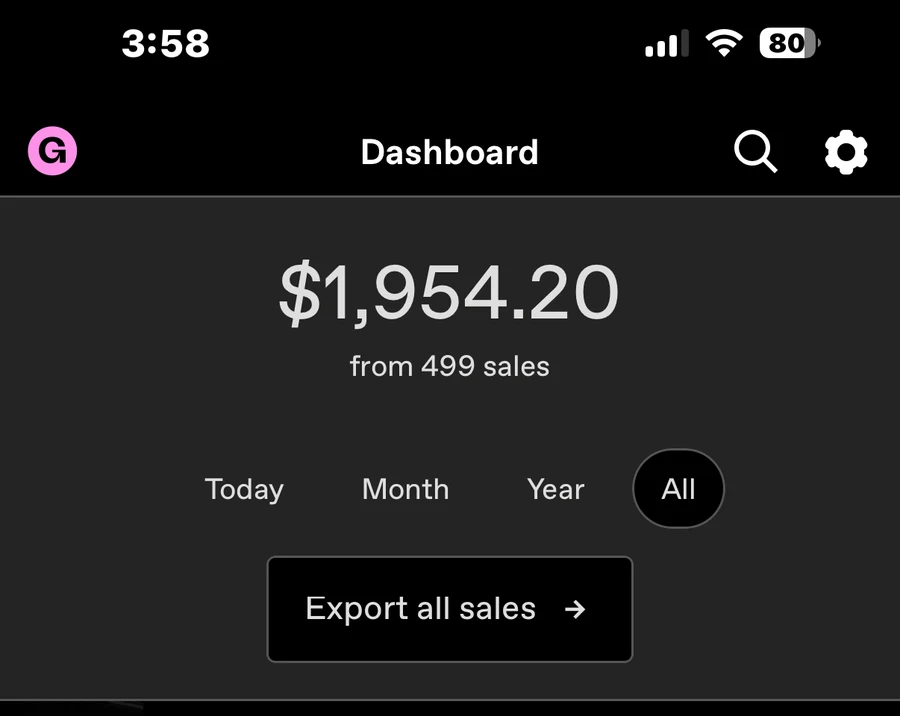
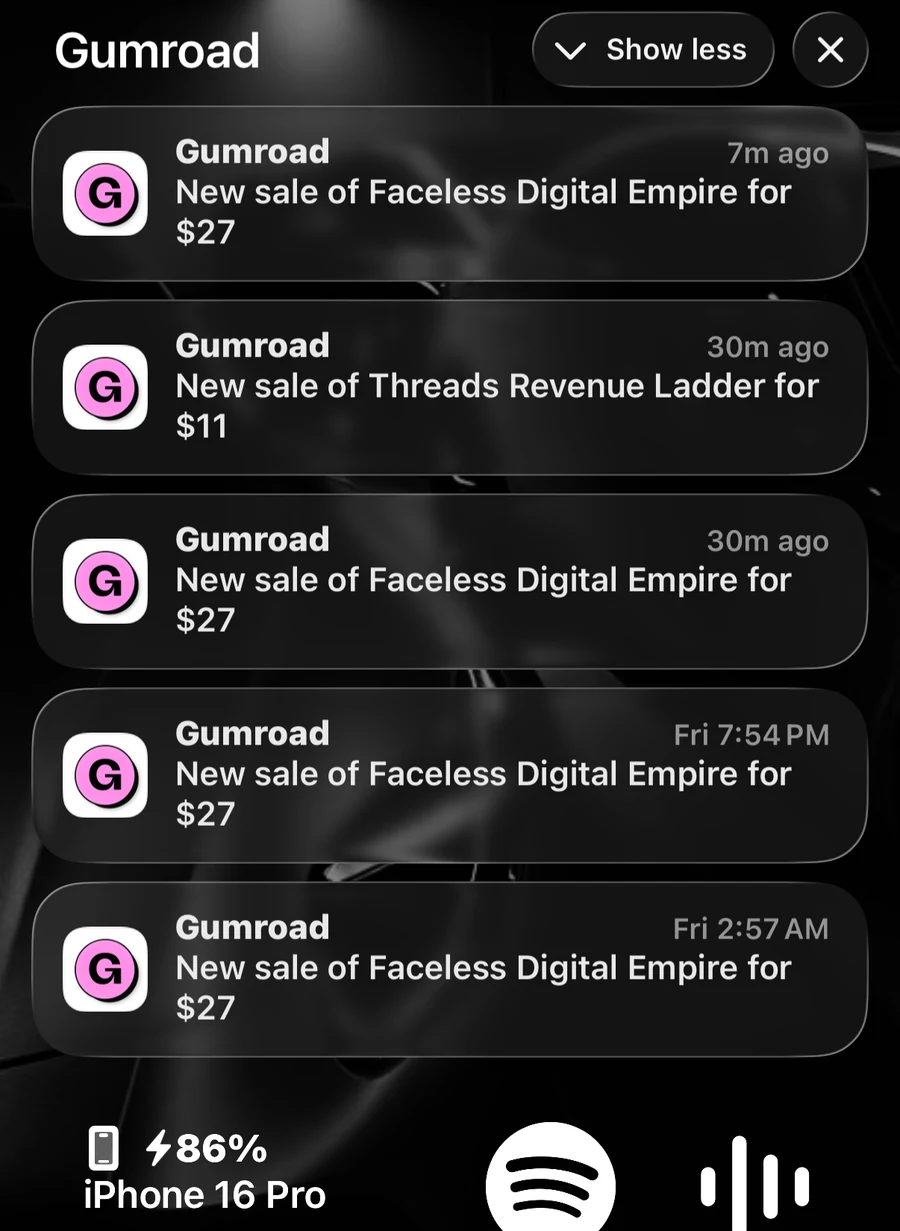
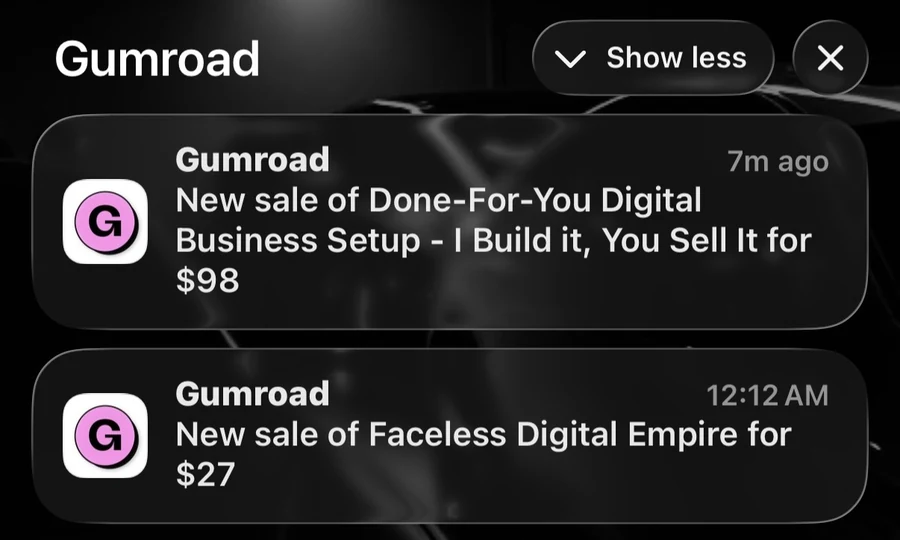
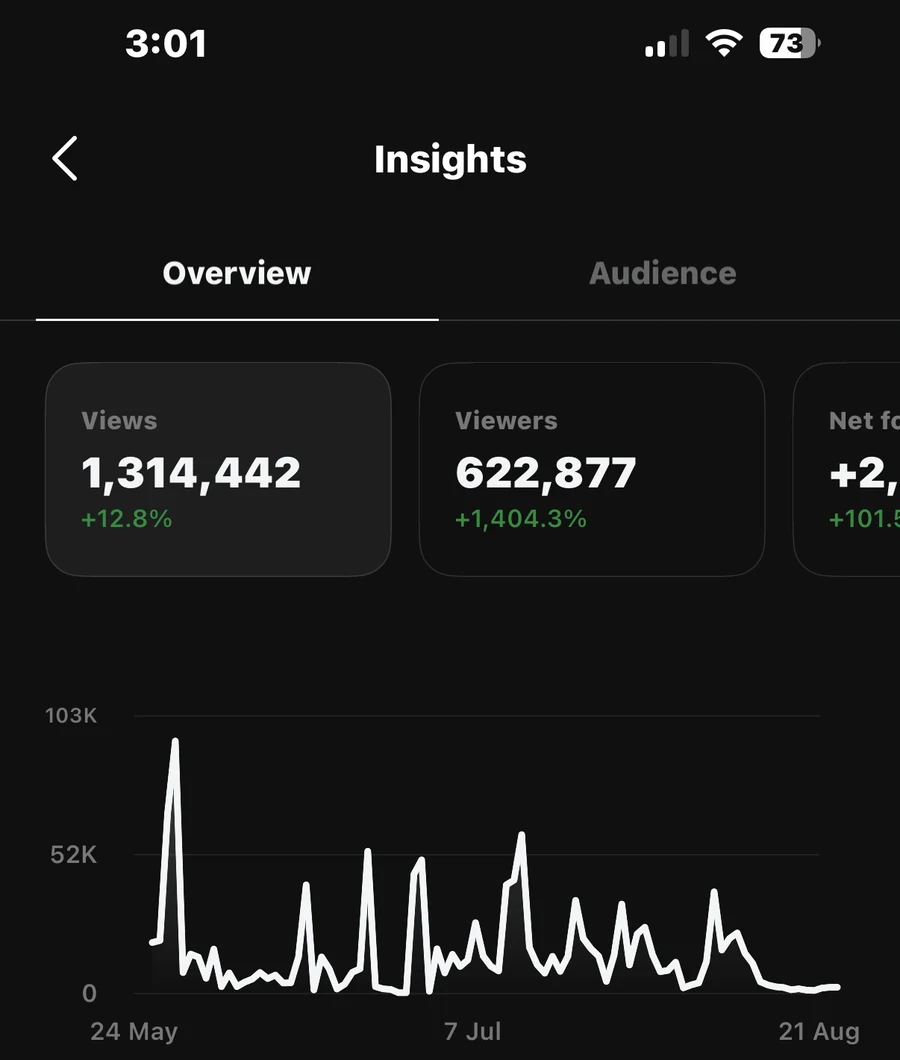
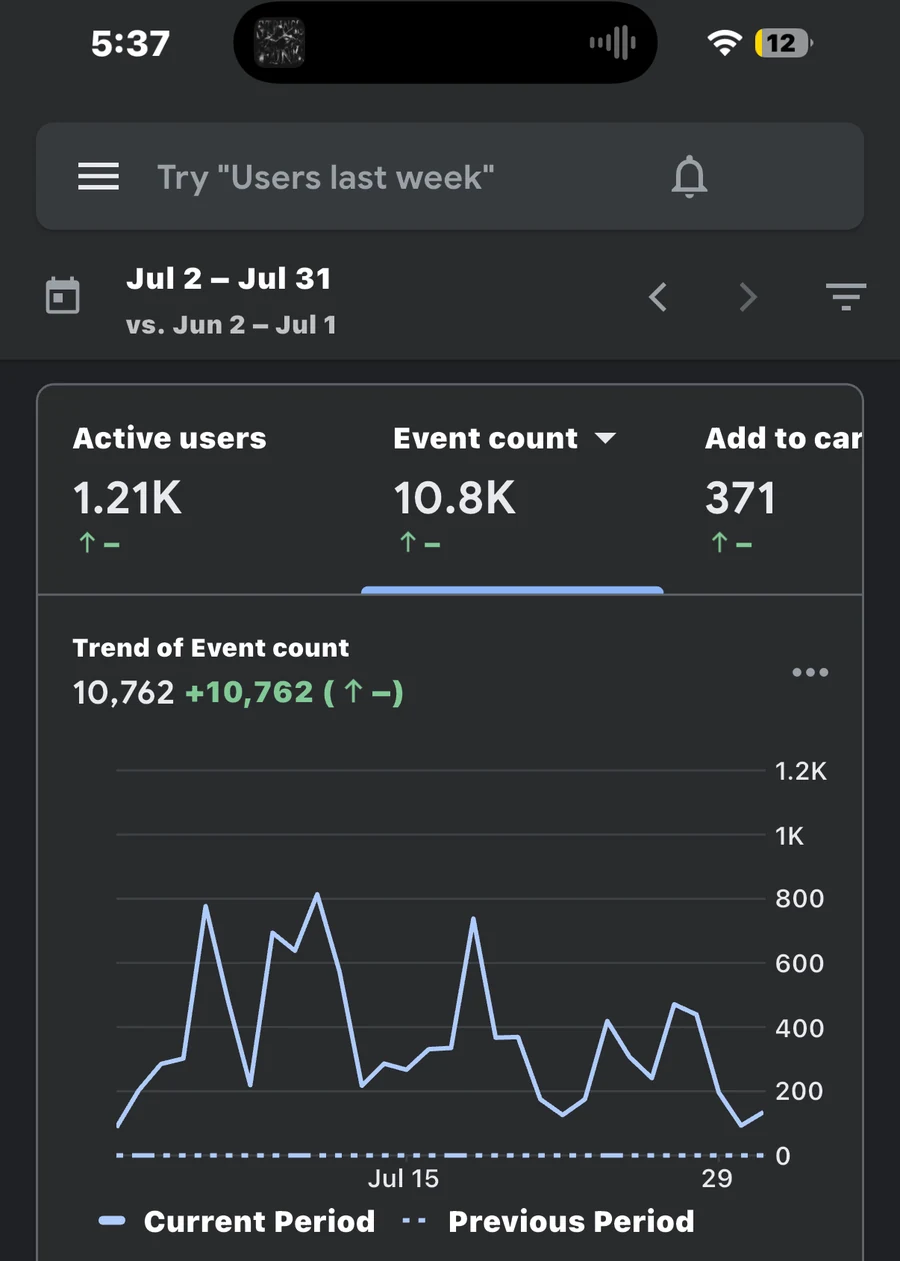
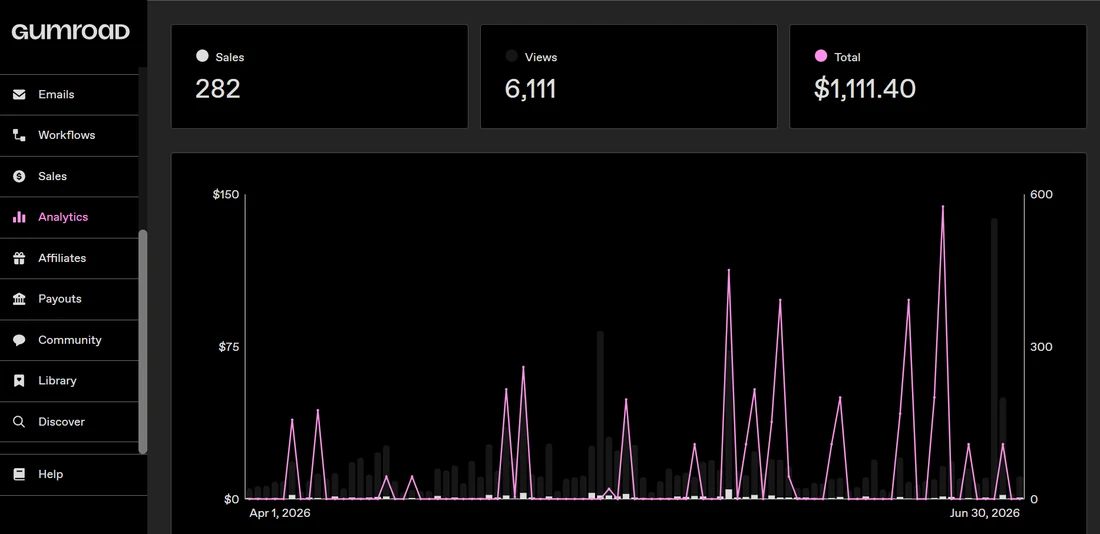
Historical operator proof — prior digital-product work, not AssetVault results.
The biggest names already sell what they know.
Across every niche, creators package what they know into courses, communities, guides and systems.
The opportunity is not proving people buy knowledge. It is packaging yours well enough to deserve the transaction.

@hormozi

@grantcardone

@jeremyleeminer

@imangadzhi

@codiesanchez

@tailopez
Public profiles shown for market context. No affiliation or endorsement.
Two ways in. One of them builds it with you.
The Protocol teaches you the build. The Foundry hands you the parts already made.
The Protocol
The whole build, start to finish, on your own topic.
- Choose a topic and validate that people want it
- Structure it into a product someone can finish
- Build the material with AI doing the heavy lifting
- Package and price it
- Write the sales page
- Wire up checkout and delivery
- Distribute it with faceless content
- Read the feedback and improve the next version
Secure checkout via Stripe · Instant access
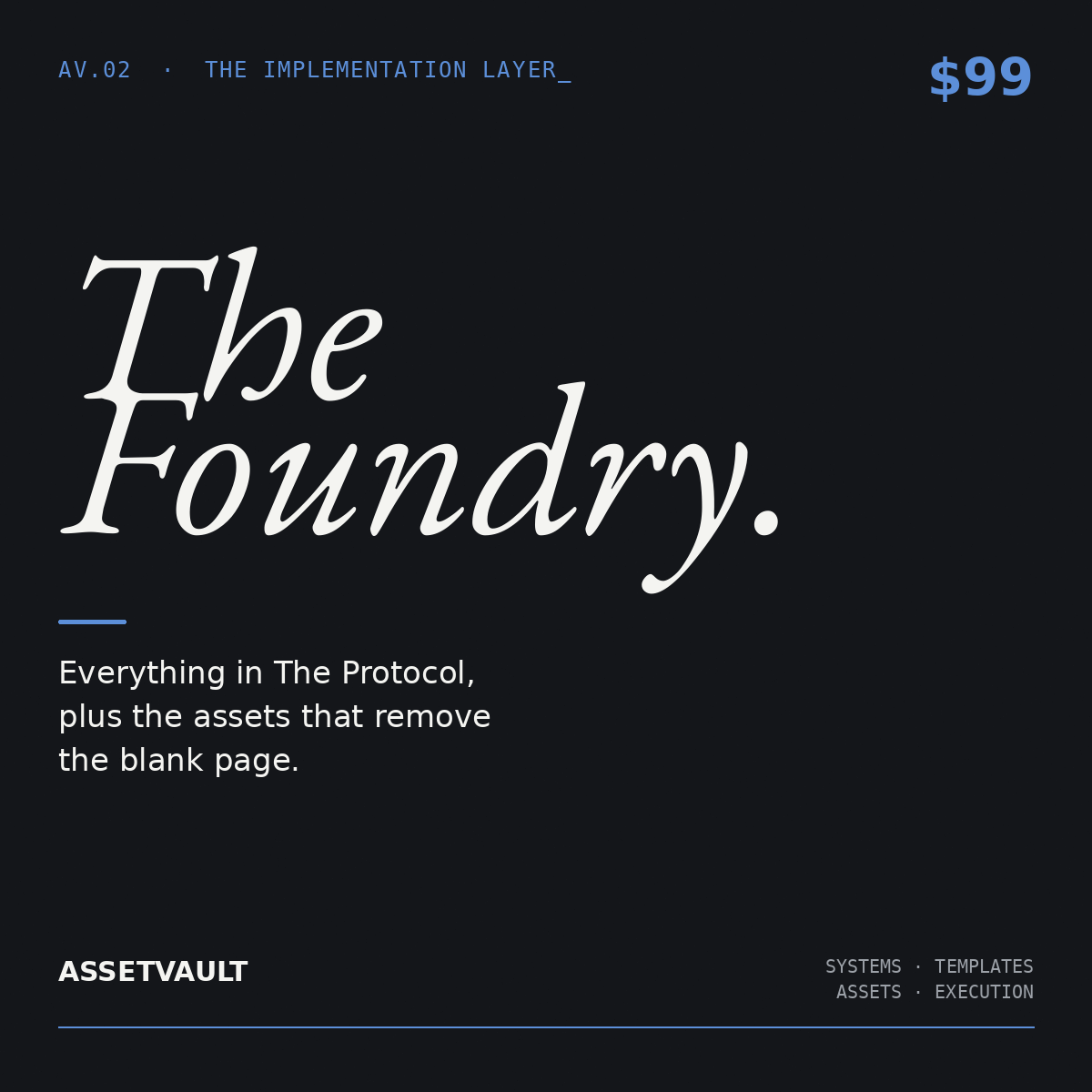
The Foundry
Everything above, plus the assets already built.
- Everything in The Protocol, plus
- Landing-page starter
- Product and vault templates
- AI research, outlining and copy prompts
- Reels and content templates
- Checkout and delivery implementation assets
- Reusable launch assets
+$60 gets the machinery already built.
Secure checkout via Stripe · Instant access
One payment · lifetime updates · instant access
The knowledge is not the bottleneck. The sequence is.
Almost everyone stalls in one of three places, and none of them is not knowing enough.
- 01
You wait to feel qualified
It never arrives. The people already selling decided that what they knew was enough.
- 02
You build before anyone asks
Demand is cheap to test, and almost nobody tests it before building for three weeks.
- 03
You ship it where nobody is
A product nobody sees is just a document. Distribution gets planned before launch, not after.
Six stages. It is a loop, not a launch.
A launch has an end, which is why most people only ever do one. This runs continuously: the last stage is what makes the next pass better.
- Students taught
- 65+
- Prior sales
- 499
- Content views
- 1.3M+
Students taught
Prior sales
Content views
Figures from the operator's earlier digital-product work — not AssetVault's own.
Six modules, and the thing each one hands you.
Every module ends with an artefact — a worksheet, a tracker, a prompt file, a checklist. Not summaries to re-read, but files you fill in and keep.
Work from what you know instead of hunting a niche, and cut the weak candidates early.
You end up with
One validated topic, with the losing options already eliminated
Three tests you can run this week, scored in one place.
You end up with
Evidence somebody wants it, gathered in days not weeks
Research, outline, draft, and the edit pass that takes the machine back out.
You end up with
A finished knowledge product in a structured vault
The sections of a page that sells a small product, in the order that works.
You end up with
A page that sells it — positioning, price and the words between
Hook patterns and a posting rhythm, so you are never staring at an empty calendar.
You end up with
A repeatable way to be seen without showing your face
What has to be true before you publish, and the four numbers to watch after.
You end up with
A working checkout, and the habit of running it again
The hard ones first.
It is a course about packaging what you already know. If what you know happens to be marketing then yes, you would end up selling in that space — but The Protocol is aimed at people with a skill, a workflow or a body of research in some other field entirely. You never resell this product, and there is no downline.
Nobody can answer that, and anyone who does is guessing. What you get is a finished product, a page that sells it, a working checkout and a way to be seen. Whether it sells depends on the topic you pick and how long you keep going. There is no income claim anywhere on this page, for exactly that reason.
That is module 01, and it is the longest part of the product. It works from what you already know rather than asking you to invent something, and it includes the tests for killing a bad idea in an afternoon instead of three weeks.
No. The distribution module is built entirely around faceless short-form — screen recordings, text on plain backgrounds, voiceover if you want it and nothing if you do not.
Anyone hoping for income without making something first. Anyone looking for a business with no writing in it. And anyone who wants their topic chosen and the product built for them — this gives you the sequence and the templates, but you write the thing.
No. Obsidian is free and it is the nicest way to read the vault, but everything inside is plain markdown. Any text editor opens it, including the one already on your computer.
The tools it uses are free or close to it. You will need somewhere to take payment, which typically charges a percentage per sale rather than a monthly fee, so your running cost before your first sale is effectively nothing.
The Protocol if your bottleneck is knowing what to do. The Foundry if you already broadly know and your bottleneck is time — it hands you the landing page, vault template, prompt library, content templates, checkout kit and launch assets rather than having you build them.
Access is delivered immediately, so purchases are generally final once access has been supplied, and we do not offer voluntary change-of-mind refunds after that point. This does not affect rights that cannot lawfully be excluded: if a product is defective, materially incomplete or not as described, you keep every statutory remedy and we will put it right. Refunds and disputes may also be handled by Stripe as Merchant of Record under its own terms. Full detail is on the Legal page.
The thing you know is already worth writing down.
One payment · lifetime updates · instant access